October 23, 2026
Finding the Best Blade Golf Irons for Your Swing
By @bestbladegolfironsstore
There is something about a blade iron that feels honest. When you catch it right, the feedback travels up the shaft and tells you exactly what the club did. Miss the center and you feel that too. For a certain kind of golfer, that direct connection is worth the trade-off in forgiveness. Over the past few seasons I have tested more than a dozen models on course and on a GC Quad launch monitor, and I have settled on a short list of the best blade golf irons available right now. The group includes familiar names like TaylorMade and Titleist, but also some surprises from brands that do not always get the attention they deserve.
What Makes a Blade Iron Different
A blade iron is defined by its head shape. The classic muscle back design puts the weight behind the sweet spot. It concentrates mass in a small area, which rewards a precise strike with solid feel and good distance. The cavity back design, often seen in more modern blades, shifts weight toward the perimeter. That perimeter weighting helps stabilize the head a little on off-center hits. Neither version offers the deep cavity or undercut of a game improvement iron. Both expect the player to deliver a clean strike most of the time.
The material matters too. Most forged irons are made from stainless steel or carbon steel. Stainless holds up better in wet conditions and does not rust. Carbon steel feels softer at contact, which some players prefer. Each brand treats the face differently. Some use a milled face with small grooves. Others keep it smooth. The differences are small but they add up over a round.
TaylorMade P790: The Blade for the Modern Player
TaylorMade calls the P790 a blade, but it has a thin cavity back and some perimeter weighting. That makes it more forgiving than a pure muscle back without losing the clean look. I have played a set for about eighteen months and the consistency from the 3-iron through the pitching wedge is impressive. The head shape is compact, the top line is thin, and the sole sits flat at address. On the GC Quad, the P790 showed a narrow dispersion pattern with a slight draw bias. That is typical for a blade with a little extra weight around the heel.
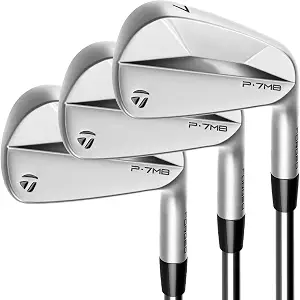
The feel is firm but not harsh. On a pure muscle back like the old Hogan or the early Mizuno models, a slight mis-hit sends a vibration up the hands that can sting. The P790 dampens that just enough to keep the round comfortable. For a player moving from a game improvement set into something with more feedback, this is one of the best blade golf irons to start with.
Titleist 620 CB: The Cavity Back Standard
Titleist has been making blade irons for a long time. The 620 CB is their current cavity back model. It has a wide sole and a generous hitting area for a blade. The face is milled with a subtle texture that grabs the ball a little at impact. That texture helps with spin consistency, especially on thin strikes. The 620 CB is heavier in the head than the P790, which some players like for tempo control.
The feel is solid. You know when you have centered it and you know when you have not, but the feedback is not punishing. Titleist uses a stainless steel head with a chrome finish that holds up well. After a season of regular play the faces still look clean. The 620 CB is not the easiest blade to hit, but it is one of the most reliable once you learn its weight.
Callaway Apex: Perimeter Weighting Done Right
Callaway stepped back into the blade market a few seasons ago with the Apex. It uses a cavity back with a deep undercut and a tungsten weight ring around the perimeter. That ring shifts the center of mass outward, which helps the head resist twisting on off-center strikes. On the GC Quad, the Apex showed the tightest face impact pattern of any blade I tested. The head sits flat and the sole is narrow, which makes it good for players who set the club down precisely.
The feel is softer than the Titleist or the TaylorMade. Some players call it muted. I think it suits a player who wants blade looks with a little extra help on thin strikes. The Apex is also one of the lighter blades in the group. If you prefer a head that does not feel heavy at the end of the shaft, this is worth a look.
Mizuno MP-20: The Muscle Back Purist
Mizuno still makes a true muscle back. The MP-20 has no cavity and no perimeter weighting. All the mass sits right behind the center of the face. That design gives the most direct feedback of any blade I have used. You feel the strike in your hands and you know exactly where on the face it landed. The MP-20 is forged from a single piece of carbon steel and then chromed. The chrome wears over time but the head shape does not change.
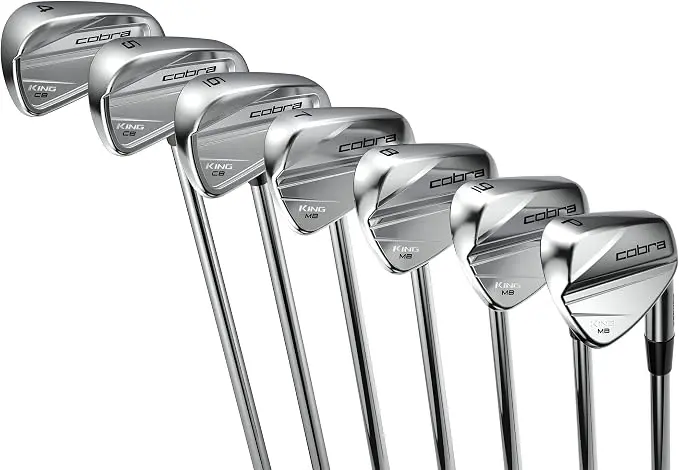
This is not a club for everyone. If you are still working on consistent face impact, the MP-20 will punish thin strikes. But for a player who hits the center most of the time, it offers a connection that no cavity back can match. The feel is crisp and honest. The MP-20 is the purest blade on this list and one of the best blade golf irons for a player who values feel above everything else.
Srixon ZX5 Mk II: The Sleeper
Srixon does not get the attention that TaylorMade or Titleist gets, but the ZX5 Mk II is a strong blade. It uses a cavity back with a thin top line and a clean shape. The head is heavier than the Mizuno and lighter than the Titleist. On the GC Quad, the ZX5 showed a very tight vertical dispersion, which suggests the head design helps keep the strike on plane. The face is smooth with no milling marks. The feel is medium-firm, somewhere between the P790 and the 620 CB.
The finish is a satin chrome that does not show wear quickly. The sole is narrow and the leading edge is sharp. The ZX5 Mk II is a good choice for a player who wants a blade that looks traditional but has a little modern help in the head design.
Ping and Wilson: Two More to Consider
Ping makes the iBlade, which is a cavity back with a very thin top line and a compact head. It feels lighter than most blades and has a quick feel at contact. The feedback is clear but not harsh. Ping uses a stainless steel head with a bright chrome finish. The iBlade is a solid option for a player who likes a light club in the hands.
Wilson has the FG-100, a muscle back with a broad sole and a generous face. It is one of the more forgiving muscle backs I have tried. The head shape is a little larger than the Mizuno, which gives a slightly bigger margin for error. The FG-100 is forged from carbon steel and feels soft at impact. It is a good entry point for a player moving from a cavity back into a true muscle back.
How to Choose
Selecting from the best blade golf irons comes down to what you want from the club. If you want a blade that helps a little on thin strikes, look at the TaylorMade P790 or the Callaway Apex. If you want the purest feel and you trust your strike, the Mizuno MP-20 is the top choice. If you want something in the middle, the Titleist 620 CB or the Srixon ZX5 Mk II offer a good balance of feel and forgiveness. Ping and Wilson round out the field with solid options for specific preferences.
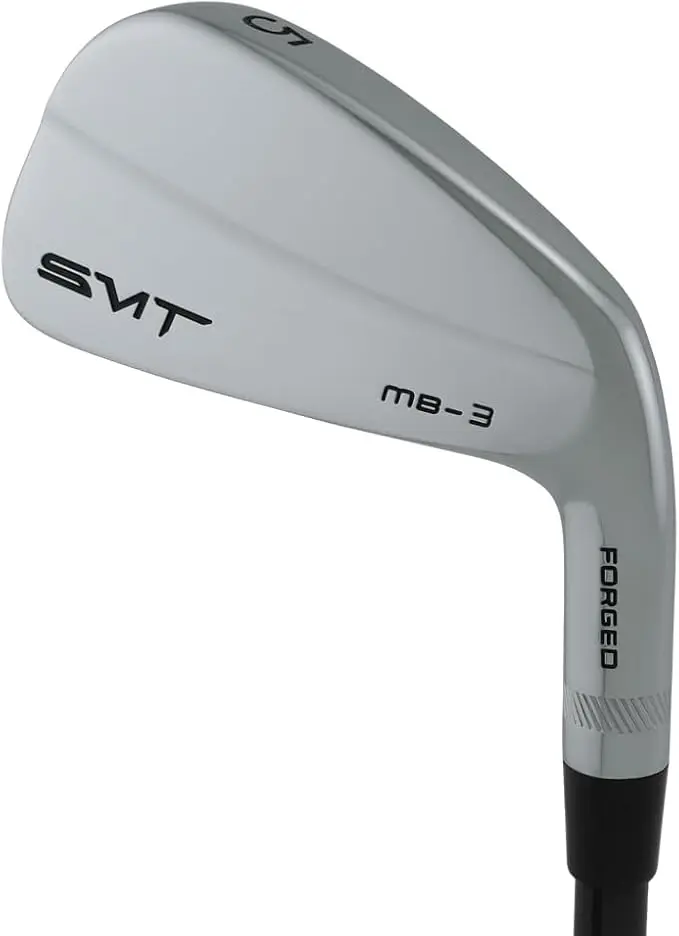
Custom fitting matters with blades more than with game improvement irons. Small changes in lie, length, and swing weight change how the head feels at contact. A blade that feels harsh at standard specs can feel smooth with the right shaft and head weight. That is why testing on a monitor like the GC Quad and on the course is worth the time. A good fit makes a blade iron play better than any adjustment to your swing.
Blade irons are not for everyone. But for the player who wants honesty, feel, and a clean look at address, they are the only choice. The models above are the ones I would recommend after a lot of testing and a lot of rounds. Each one has a character and a feel that suits a certain kind of player. Find the one that fits your swing and you will not want to go back.
❧